Welcome to
V.J. Killian Plumbing Sewer & Electric
The Most Trusted Plumbing Service in Lake Forest & Lake Bluff IL
24 Hour Emergency Plumbing Service North Shore
V.J. Killian Plumbing Sewer & Electric Celebrating Over 100 Years of Quality Plumbing Service in the North Shore
There’s a reason our customers in Lake Forest and Lake Bluff have trusted V.J. Killian Plumbing Sewer & Electric for their plumbing and sewer needs for over 100 years: Trust, Honesty, and Experience!
Since 1920, V.J. Killian Plumbing Sewer & Electric has proudly served Lake Forest, Lake Bluff, and the surrounding North Shore community with quality plumbing and sewer services. We’re proud of our century-long tradition of hiring skilled, honest, and dedicated professionals who are committed to solving your plumbing challenges with friendly, knowledgeable service.
All of our Lake Forest and Lake Bluff plumbing technicians are fully licensed and highly experienced to handle even the most complex issues, and our 100% service guarantee backs every job. Many of our employees have been part of the V.J. Killian Plumbing Sewer & Electric family for decades, and our loyal customers have relied on our services through three and four generations of home and business ownership.
We’re passionate about solving your plumbing and sewer problems—whether it’s a burst pipe, sewer line repair, or any other service you need—and it shows in our dedication to your comfort and peace of mind.
Give us a call to learn more or schedule service today. We’re always ready to help homeowners and businesses in Lake Forest and Lake Bluff!

Save with
V.J. Killian Plumbing Sewer & Electric

Our Services
We provide a wide range of sewer and plumbing services to residential and commercial customers in the North Suburbs of Chicago
Sewer Repair
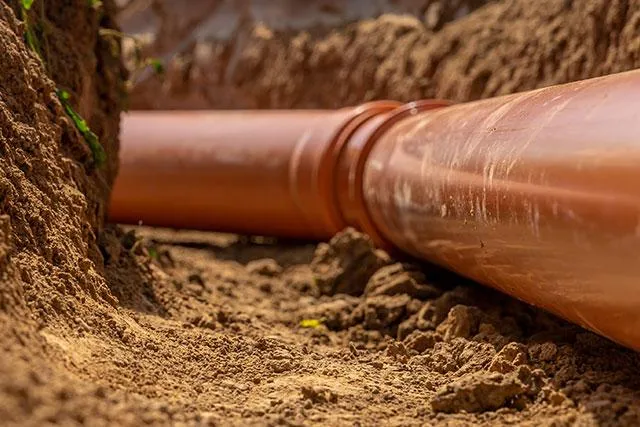
Slow drains, toilets not flushing and floor drains backing up are indicators that you should have your sewer inspected.
Water Heaters
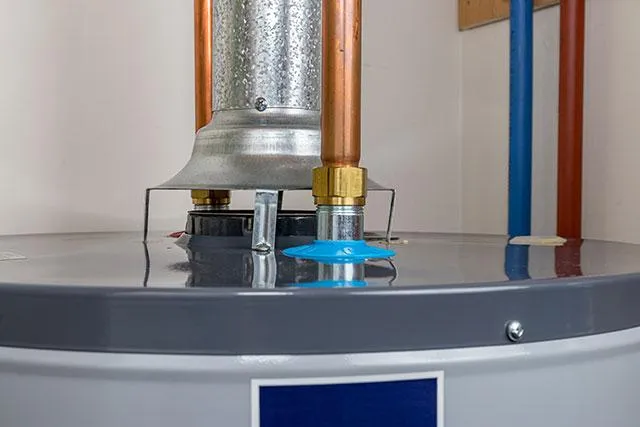
If you have a leaky water heater, rusty water from your faucets or hot water delays, then you should have your water heater inspected.
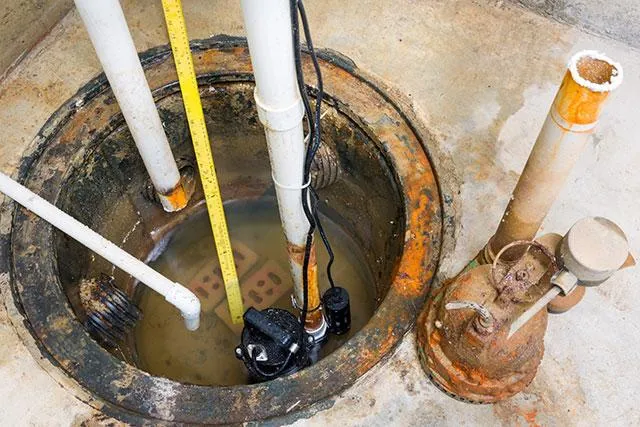
Sump Pumps
Sump Pump neglect can lead to a flooded basement if you don’t have regularly scheduled maintenance and your battery checked.
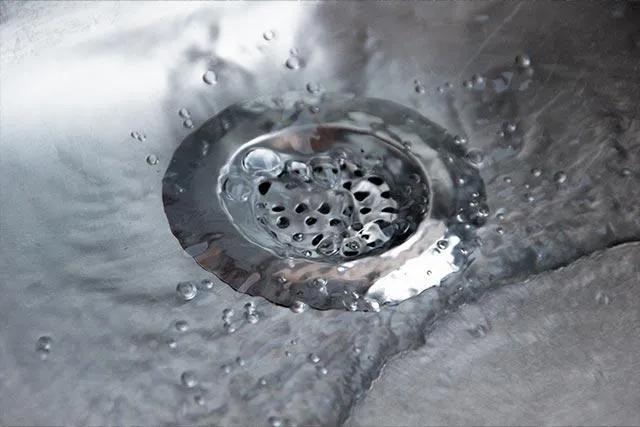
Drain Clogs
Drain clogs can cause slow drainage, bad odors, and water backups. Professional repair clears the blockage and restores proper flow.
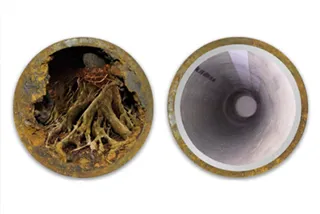
Sewer Lining
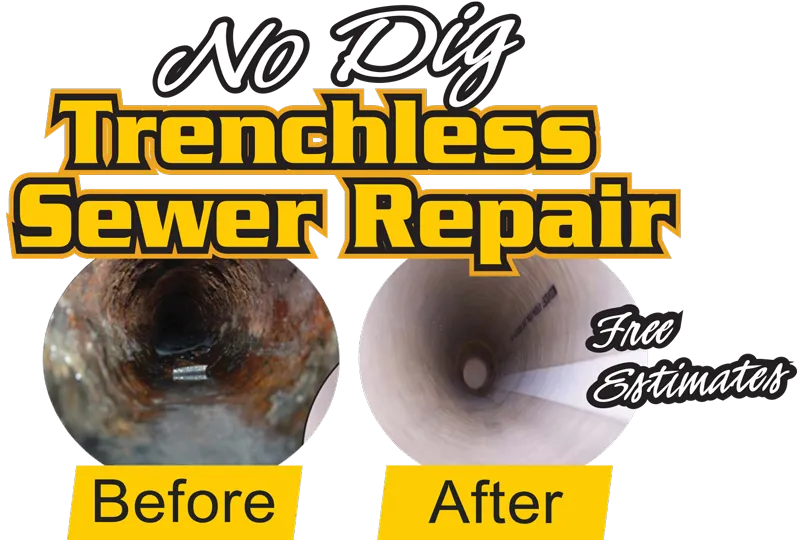
Cracks, leaks, or root invasions in your pipes can lead to sewer damage. Sewer lining is a quick, non-invasive solution to restore your pipes without excavation.
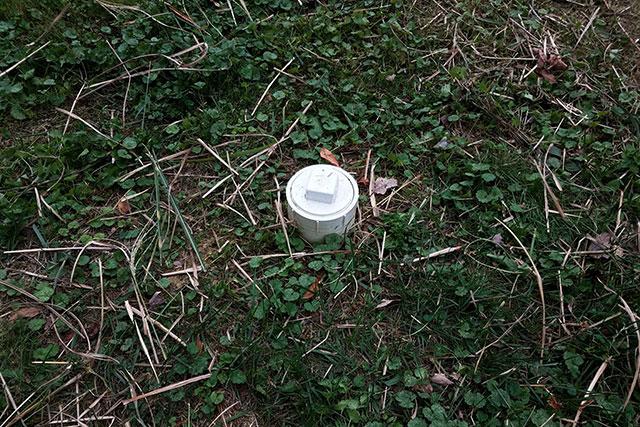
Sewer Rodding
The trees in your yard may be the “root” of your plumbing problems because their roots can grow into your main sewer line and clog them.
Need Electrical Help?
Ask Us About Backup Generators!
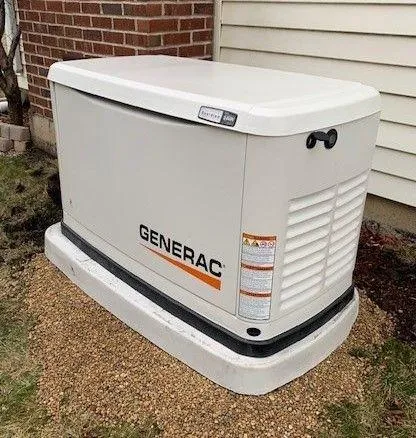
Now Installing - Free Estimates
The V.J. Killian Plumbing Sewer & Electric 24/7 Difference

ON-TIME
SERVICE

UP-FRONT
PRICING

SATISFACTION
GUARANTEED
What Our Customers Say
Learn why we are the top plumber on the North Shore!
THE #1 PLUMBING SEWER & ELECTRIC CONTRACTOR SERVING
THE NORTHERN SUBURBS OF CHICAGO
V.J. Killian Plumbing Sewer & Electric is proudly part of the 24/7 Services family of brands. We’re backed by a network of trusted local businesses working together to better serve homeowners across Chicagoland. This connection allows us to expand our capabilities, respond faster, and deliver the highest level of plumbing, sewer, and electrical services whenever you need it.
While we’re now part of a larger family, the things you’ve always counted on aren’t going anywhere. Our experienced team, local roots, and commitment to quality remain the same, just with more resources, more support, and even better service behind every call.
V.J. Killian
Plumbing Sewer & Electric
1355 N. Western Ave
Lake Forest, IL 60045
(847) 234-0335
License # J16270
IDPH 055–044922
Our Services
V.J. Killian Plumbing Sewer & Electric is a full service plumbing contractor specializing in sewer repair, water heaters, sump pumps, drain clogs, sewer rodding and sewer lining in the Northern Suburbs of Chicago.
Our Service Area
V.J. Killian Plumbing Sewer & Electric proudly serves:
Open 24 hours a day,
7 days a week.
V.J. Killian Plumbing Sewer & Electric is proud to be part of the 24/7 Services Inc. family — trusted experts in
plumbing, sewer, and electrical service 24 hours a day, 7 days a week.
© 2025 - V.J. Killian Plumbing Sewer & Electric - Serving the North Shore of Chicago